The story
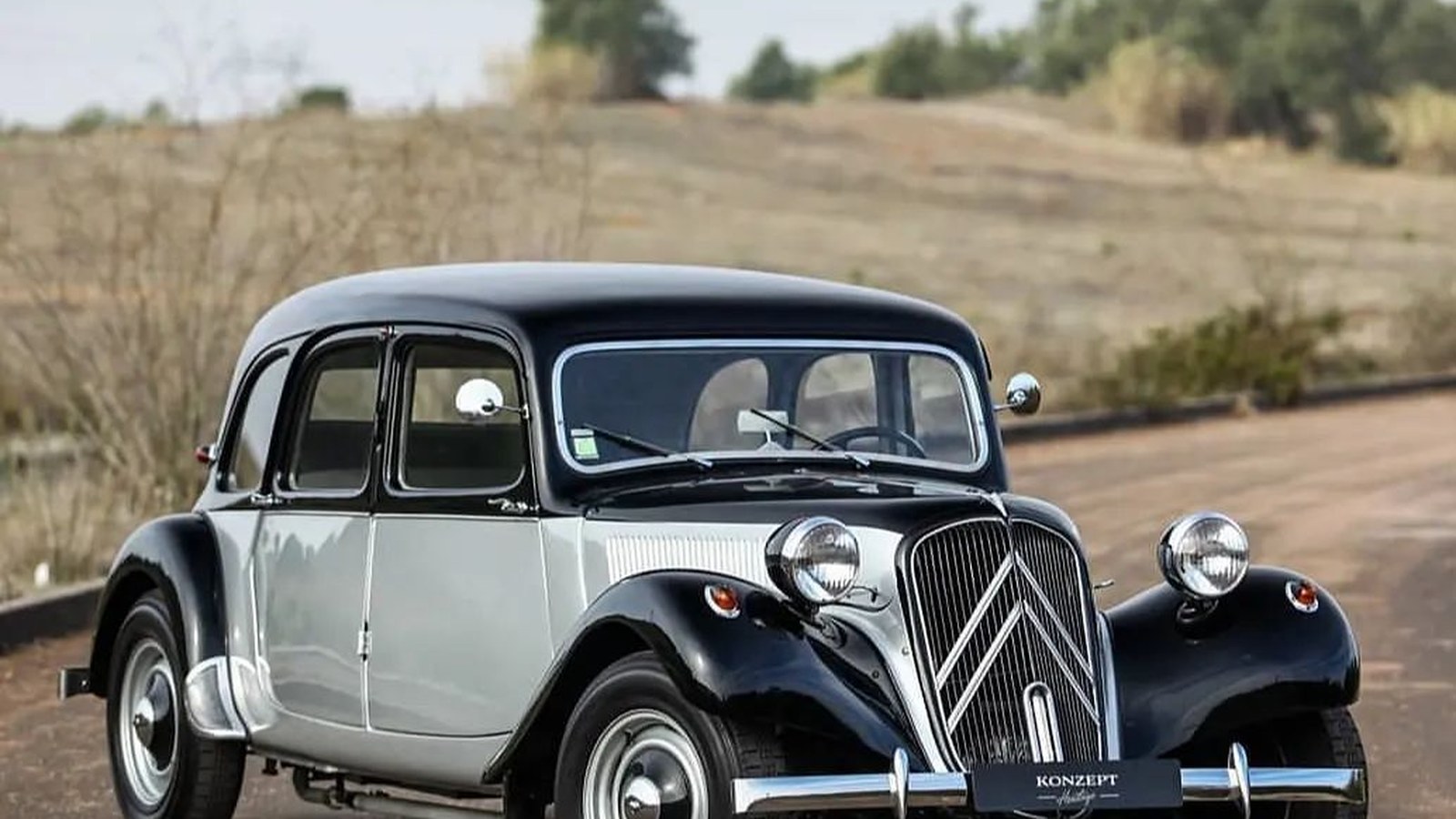
The 2CV proves a car can be adored for doing very little. The original made 9 hp from a 375 cc flat-twin, weighed about 495 kg (1,091 lb) and topped out at 40 mph, and none of that was the point. Its soft, long-travel suspension let it lean hard through bends without losing its footing and float across rutted farm tracks, the roof rolled back for tall loads, the seats lifted out, and the engine asked for little beyond fuel and the occasional glance. Flaminio Bertoni, who also shaped the Traction Avant and the DS, gave it a face nobody could dislike.
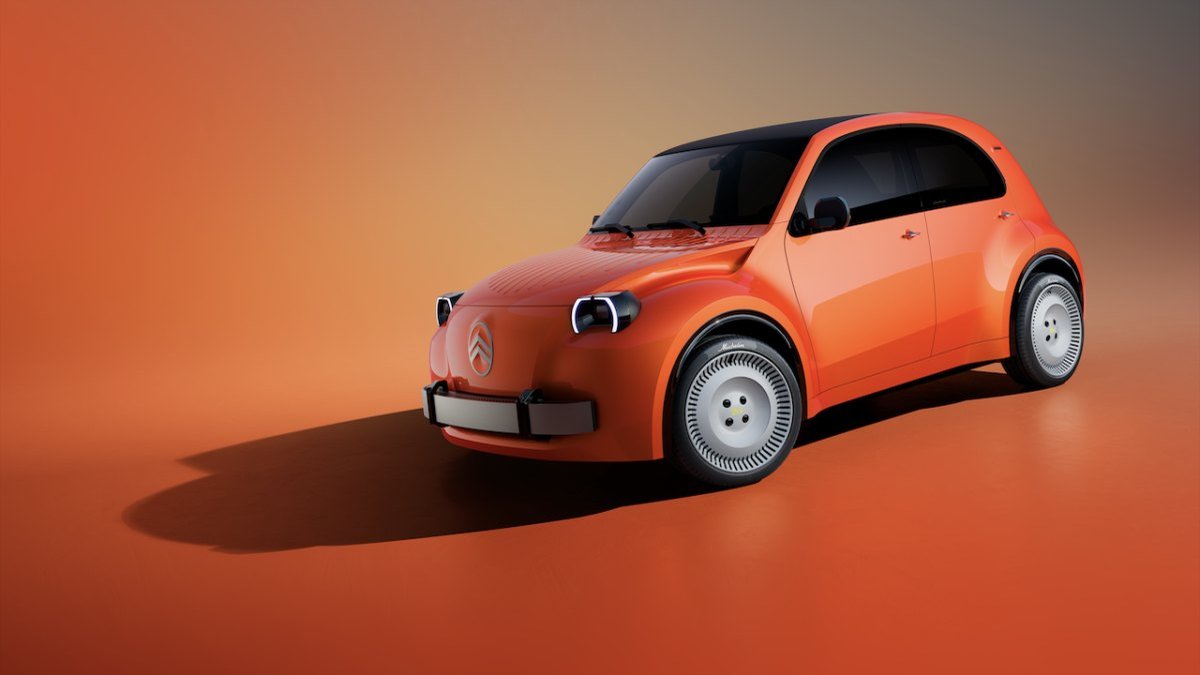
Over 41 years it became far more than transport: the car of farmers, students, artists and anyone who found pretension tiresome, proof that austerity could have a sense of humor. Later 2CV6 models stretched to 602 cc, 29 hp and a giddy 71 mph without changing the character at all. Production ended in 1990. In 2026 Citroën revealed an electric 2CV concept, shorter than the original and built around the same lightness and cheap-to-own simplicity, with a European-built production version promised by 2028.