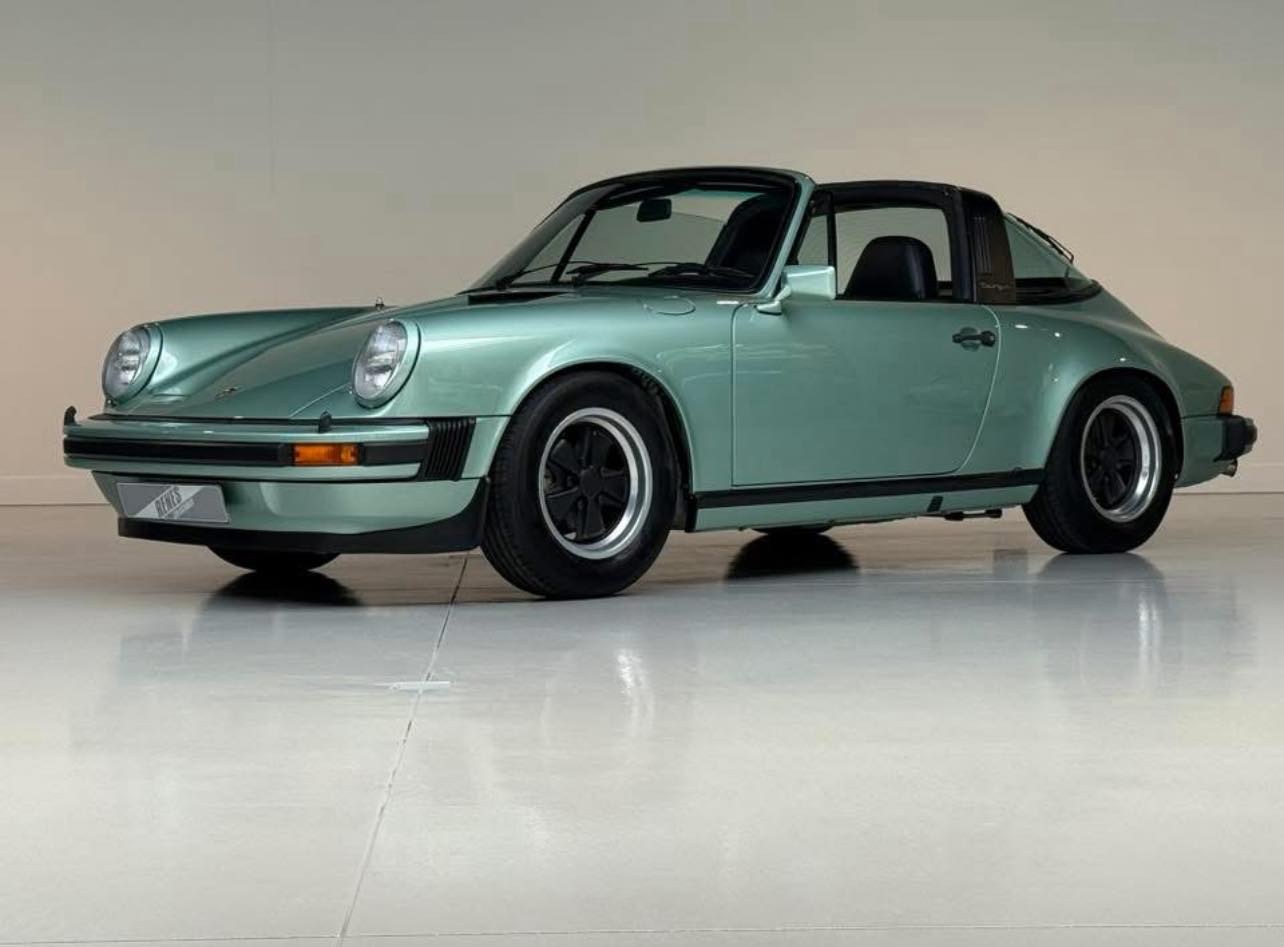
Porsche 911 SC

Photo: Elise240SX / Wikimedia Commons, CC BY-SA 4.0

Porsche · 1978–1983

Porsche 911 SC

—
Community scoreLoading…
Rate it

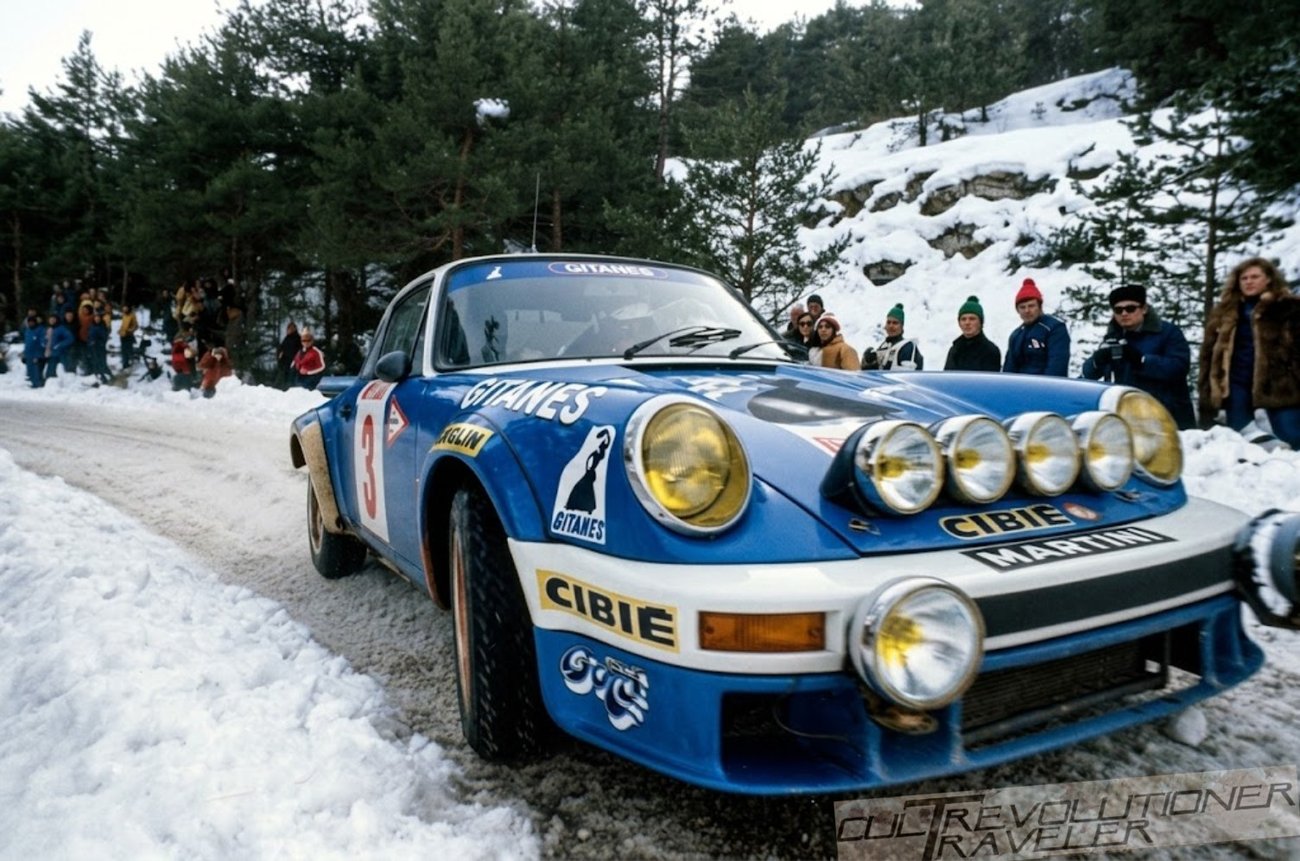
The 3.0-liter air-cooled 911 that carried Porsche through years when its own leadership expected the line to end. Light, unassisted and honest, it is the classic 911 that still asks to be driven rather than displayed, and a rented, privately entered 3.0-liter 911 won the 1978 Monte Carlo Rally.

Two-door 2+2 coupe, Targa and (1983) cabrioletRear-wheel drive5-speed manual (915)

Made by Porsche

In the numbers
Power
178hp
Weight
1,210kg
2,668 lb
0–60 mph
6.3sec
Maker's claim
Top speed
141mph
Maker's claim
Built
—
Not on record

Figures for the 1979 Porsche 911 SC Targa, European specification (930/03 engine). Sources are listed at the foot of the page.

The story

The SC replaced both the 2.7-liter 911 and the Carrera 3.0 with one simplified, durable 3.0-liter flat-six, at a moment when Porsche's management saw the 911 as yesterday's car. In European form it made 180 PS without the catalytic converters and power losses that dulled American models, and a European Targa weighs only about 1,210 kg (2,670 lb). There is no power steering and no ABS, nothing between driver and road but a slim wheel, a long-throw 915 gearbox and a lot of honest feedback.

It clatters awake, pulls cleanly from low revs and turns hard and vocal toward 5,500 rpm, while the unassisted steering reports every change in grip. Keep the throttle steady through a bend and the weight over the rear wheels works in the driver's favor; lift suddenly and the car makes clear where the engine lives. Its toughness was proved in January 1978, when Jean-Pierre Nicolas took a rented, Group 4 3.0-liter 911 through the snow to win the Monte Carlo Rally. Long ignored, the SC is now prized as the air-cooled 911 that can actually be used.
The community verdict

Loading the score…

What's your verdict?

Loading…

From Carveyance

More from Porsche

Where the numbers come from

Figures are for the 1979 Porsche 911 SC Targa, European specification (930/03 engine). Numbers come from the Carveyance stories about this car, which were checked when they were written, and where a story didn't give one, from the sources below. A dash means we haven't found a figure we trust.

Photo: Elise240SX / Wikimedia Commons, CC BY-SA 4.0

Spotted something wrong?

Tell us which number or fact, and where you saw the right one. We check every note.